
Your Garden in Late July: 10 Jobs You Shouldn't Ignore
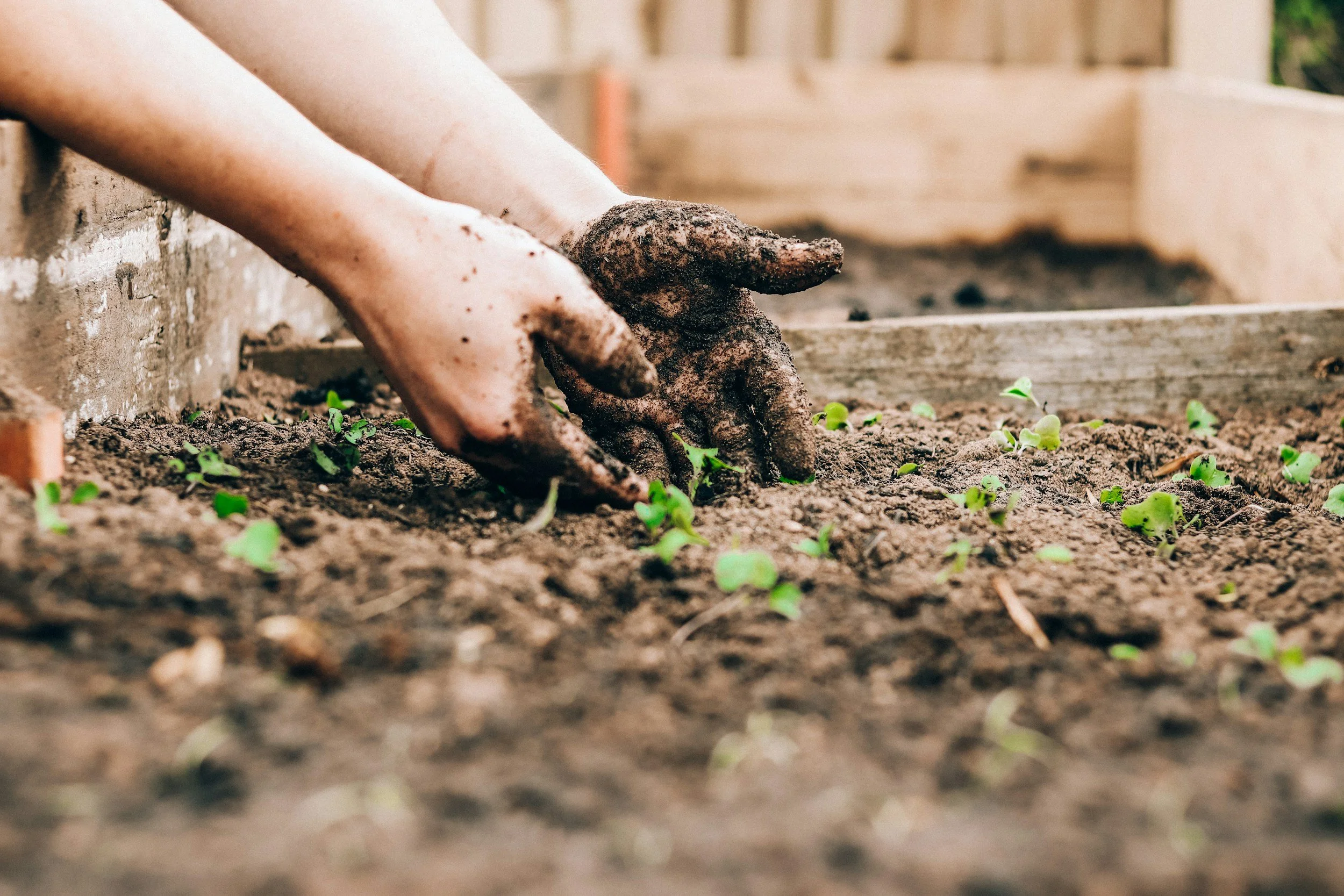
Late July gardening presents an important opportunity for homeowners across the UK to maintain healthy planting, protect lawns from seasonal stress and prepare gardens for the transition into autumn. While many plants remain at their peak, prolonged periods of warm weather, inconsistent rainfall and increased weed growth can quickly affect the appearance and long-term health of outdoor spaces if routine maintenance is overlooked.
Rather than focusing on major landscaping projects, this stage of the gardening calendar is defined by careful, consistent care. A series of relatively small tasks completed during late July can improve plant health, encourage prolonged flowering and reduce the amount of work required later in the year. For homeowners who prefer a well-maintained garden throughout the seasons, a structured approach delivers better results than reacting once problems become visible.
Water Efficiently During Hot Weather
Periods of warm weather place additional pressure on plants, particularly newly established shrubs, containers and hanging baskets. Watering thoroughly but less frequently encourages roots to grow deeper into the soil, making plants more resilient during dry conditions. Early morning or late evening remains the most effective time to water, as lower temperatures reduce evaporation and allow moisture to penetrate properly.
Containers require particular attention because compost dries considerably faster than garden borders. Adding mulch around established plants helps retain soil moisture while reducing weed growth. Collecting rainwater also provides an environmentally responsible alternative to using mains water throughout the summer months.
Deadhead Flowers and Feed Containers
Removing faded flowers encourages many summer bedding plants and perennials to continue producing new blooms. Regular deadheading prevents plants from directing energy towards seed production, allowing them to focus instead on flowering for longer.
Container displays also benefit from routine feeding. Nutrients within compost become depleted during the growing season, particularly where plants flower continuously. Applying a balanced liquid fertiliser according to the manufacturer's guidance helps maintain healthy foliage, stronger roots and more consistent flowering throughout the remainder of the summer.
Summer Garden Maintenance for Lawns and Borders
Summer garden maintenance extends beyond mowing the lawn. Dry conditions often leave grass under stress, particularly where it has been cut too short. Raising the mower height by a small amount allows the grass to retain moisture more effectively while protecting the root system from excessive heat.
Borders also deserve regular attention during July. Removing weeds before they flower and produce seed reduces future problems and limits competition for moisture and nutrients. A light cultivation of the soil after rainfall helps maintain healthy growing conditions without disturbing established planting.
Prune Summer Shrubs at the Right Time
Many flowering shrubs benefit from light pruning once they have finished blooming. Removing spent growth encourages healthy development while maintaining an attractive shape and preventing plants from becoming overcrowded.
Different species require different pruning schedules, so it is worth confirming the appropriate timing before making significant cuts. Heavy pruning during active growth can reduce flowering next season or leave plants vulnerable to unnecessary stress. Well-maintained shrubs contribute structure to the garden throughout the year and require considerably less corrective work later.
Check Regularly for Pests and Plant Diseases
Warm temperatures create favourable conditions for a range of common garden pests and fungal diseases. Aphids, slugs, mildew and black spot are among the issues that become increasingly noticeable during the latter part of summer.
Routine inspections allow problems to be identified before they spread across borders or affect neighbouring plants. Look beneath leaves, inspect new growth and remove damaged foliage where necessary. Healthy watering practices, good airflow and avoiding unnecessary overcrowding all contribute to reducing disease pressure naturally.
Trim Hedges Where Appropriate
Late July is often an appropriate time for a light hedge trim, provided nesting birds are no longer present. A careful cut maintains clean lines, encourages dense growth and prevents hedges from becoming difficult to manage later in the season.
Rather than removing large amounts of growth, focus on shaping and tidying the current season's extension. Sharp, well-maintained tools produce cleaner cuts that heal more effectively and leave a more professional finish. Larger established hedges may benefit from specialist equipment to ensure both safety and consistency.
Harvest Produce and Plan Ahead
Fruit and vegetable gardens reach one of their busiest periods during late July. Regular harvesting encourages continued production from crops such as courgettes, beans, tomatoes and soft fruit while reducing waste from overripe produce.
This is also an appropriate point to begin planning for autumn. Ordering spring-flowering bulbs, selecting new shrubs and considering seasonal planting schemes allows gardeners to make informed decisions before demand increases later in the year. Gardens that are managed proactively often require fewer reactive interventions during autumn and winter.
Ten Garden Jobs for Late July
A simple checklist helps ensure routine maintenance remains manageable throughout the month:
Water deeply during dry spells.
Deadhead flowering plants regularly.
Feed containers and hanging baskets.
Raise mowing height during hot weather.
Remove weeds before they seed.
Inspect plants for pests and disease.
Lightly prune suitable summer shrubs.
Trim hedges where appropriate.
Harvest fruit and vegetables frequently.
Begin planning autumn planting projects.
Completing these tasks consistently helps preserve both the appearance and long-term health of the garden while reducing maintenance demands later in the year.
Conclusion
July represents an important point in the gardening calendar. The work carried out now influences how well plants perform through the remainder of summer while preparing gardens for the seasonal transition ahead. Consistent maintenance, careful watering and timely pruning all contribute to healthier planting and stronger long-term growth.
For homeowners balancing busy schedules, professional support can ensure these essential jobs are completed correctly and at the right time. Regular maintenance throughout the growing season often prevents more extensive work becoming necessary later in the year.
If you are considering regular garden maintenance, seasonal landscaping or preparing your outdoor space for autumn, our experienced team is available to provide professional advice and competitive quotations. Contact us today to discuss your requirements and arrange a tailored gardening or landscaping service.